
You've probably heard the names by now — Ozempic, Wegovy, Mounjaro, Zepbound. They started as diabetes and weight-loss medications, but the conversation has grown much bigger. For men in particular, this class of drugs touches on a surprising range of health concerns: the heart, testosterone, blood sugar, sleep, and the liver. This guide walks through what we currently know, what's still uncertain, and the questions worth bringing to your own doctor.
01 — The basicsWhat exactly are these medications?
They belong to a family called GLP-1 receptor agonists. Your gut naturally releases a hormone called GLP-1 after you eat. It tells your brain you're full, helps your body manage blood sugar, and slows how quickly your stomach empties. These medications copy that hormone and make the signal last much longer.
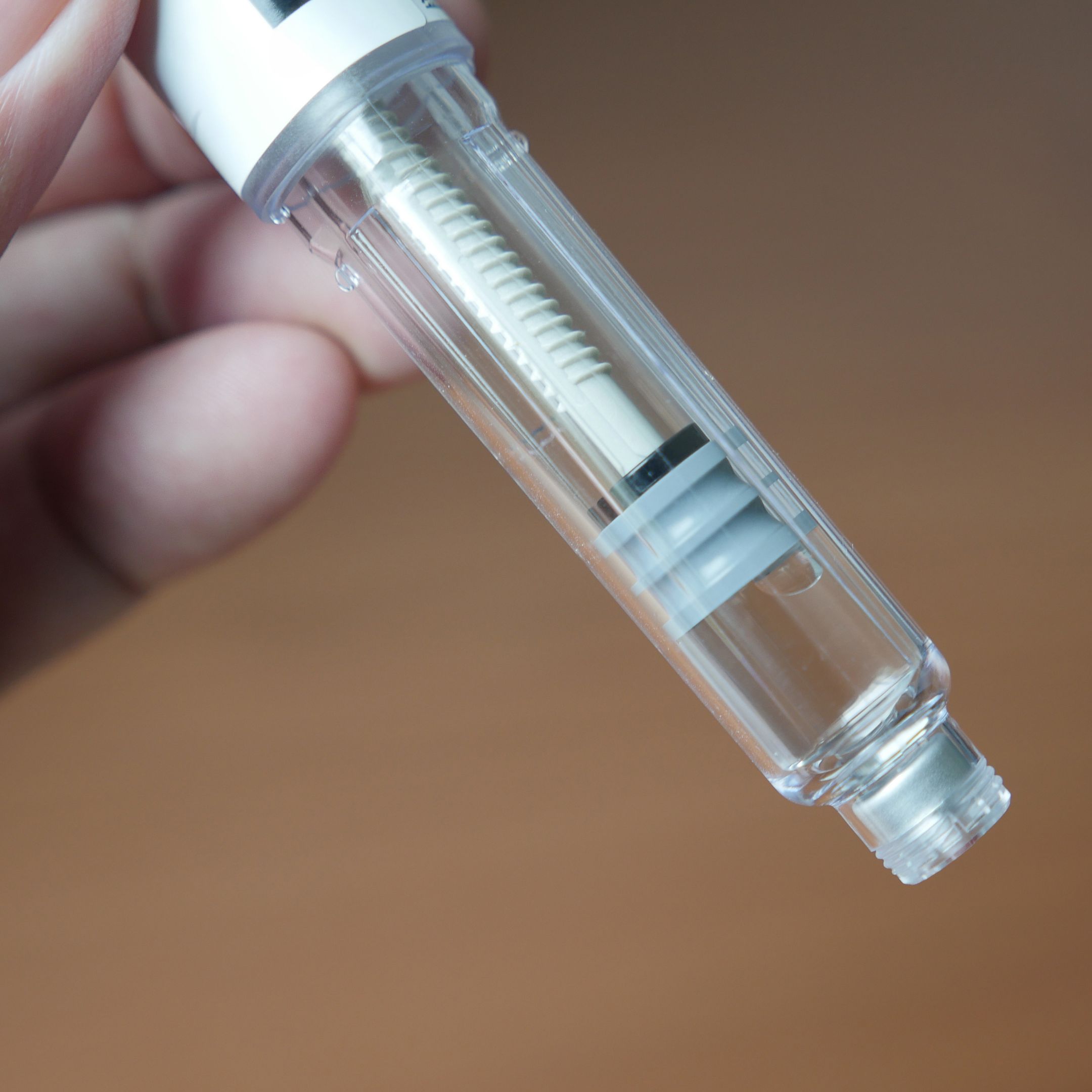
The practical result is that you feel satisfied with less food, your appetite quiets down, and your blood sugar steadies. Most are weekly injections you give yourself with a small pen; a few come as a daily pill. Some newer ones, like tirzepatide, hit a second hunger-and-sugar pathway too, which is part of why they tend to produce even larger weight loss.
The simple version
These drugs amplify a natural "I'm full" signal your body already makes — which is why their effects reach so far beyond appetite alone.
02 — WeightWhy weight loss is the engine
Carrying excess weight, especially around the belly, isn't just a cosmetic issue. Fat tissue is metabolically active — it stokes inflammation, nudges hormones out of balance, and strains the heart and blood vessels. That's why excess weight quietly sits underneath so many men's health problems at the same time.
The weight loss these medications produce is substantial. On average, semaglutide (Wegovy) leads to roughly 15% of body weight lost, and tirzepatide (Zepbound) around 20% or more — figures that used to be reachable mainly through surgery. Just as important, the weight tends to come off the dangerous deep belly fat first.
Treat the root cause, and several problems often improve together.
03 — Your heartProtection that goes beyond the scale
This is one of the most important developments. A large five-year study called SELECT followed more than 17,000 adults who were overweight and had heart disease but did not have diabetes. Men and women taking semaglutide had about a 20% lower risk of major cardiovascular events — heart attack, stroke, and cardiovascular death.
What made this landmark is the "without diabetes" part. It showed the heart benefit isn't only about blood sugar; the medication appears to protect blood vessels more directly, by calming inflammation and helping arteries function better. Since men shoulder a heavier burden of heart disease, this matters.
04 — TestosteroneThe hormone connection
Here's something many men don't realize: excess weight can actively lower testosterone. Fat tissue converts testosterone into estrogen, and the extra weight disrupts the brain signals that tell the testes to produce it. The result is a common pattern — low testosterone caused by weight, not by a problem with the testes themselves. Doctors call this functional hypogonadism, and the encouraging part is that it's often reversible.
Recent research from 2024 and 2025 found that men using GLP-1 medications saw their testosterone rise, alongside the hormonal signals from the brain that drive it. In one analysis, average levels climbed from around 320 to 368 ng/dL. The leading approach for weight-related low testosterone is to fix the underlying cause first — and these medications do exactly that.
Worth understanding
For men who want to preserve fertility, this distinction is crucial. Testosterone replacement therapy can lower sperm production, while GLP-1 medications work by addressing the root cause and may protect fertility instead.
05 — Sleep & liverTwo more big wins
Obstructive sleep apnea — where breathing repeatedly stops during sleep — affects a large share of men with obesity, and it drags down testosterone, energy, and heart health. Tirzepatide (Zepbound) is now FDA-approved specifically for sleep apnea in adults with obesity, and in trials it cut the severity dramatically, with many men seeing their sleep apnea resolve.
Fatty liver disease is another quiet problem that can progress to serious scarring over time. Semaglutide earned approval in 2025 for the more advanced form (called MASH), based on evidence it can actually reverse some of the damage.
06 — The catchThe muscle question men can't ignore
This is the most important caution in the whole guide. When you lose weight quickly — by any method — a meaningful chunk of what you lose is muscle, not just fat. Studies suggest roughly a quarter to a third of weight lost can be lean tissue. Because these medications produce such large weight loss, that muscle loss can add up.
For men, muscle isn't optional. It supports your metabolism, strength, bone health, and even testosterone. Losing too much of it undercuts many of the benefits you're working toward. The good news: this is largely preventable.
Protect your muscle — three essentials
Lift things. Resistance or strength training a few times a week is the single most effective way to hold onto muscle while you lose fat.
Eat enough protein. Spreading good protein sources across your meals helps your body preserve muscle during weight loss.
Ask about testosterone. For men with confirmed low testosterone, treating it can help protect muscle, energy, and strength alongside the medication.
07 — Combining therapiesGLP-1 medications and testosterone together
For some men, a combined approach makes sense: the GLP-1 medication drives weight, metabolic, and heart benefits, while testosterone therapy helps preserve muscle, libido, and energy. As of early 2025, an older cardiovascular warning on testosterone therapy was removed after research supported its heart safety, which makes this pairing more comfortable for many clinicians.
But it's not automatic. Many men find their testosterone recovers on its own once they lose weight — which is exactly why doctors often recheck levels a few months after starting, before adding anything else. And for men hoping to have children, the GLP-1-first approach is usually preferred. This is a decision best made with a clinician who looks at your full picture.
08 — SafetySide effects and who should be cautious
The most common side effects are digestive: nausea, and sometimes vomiting, diarrhea, or constipation. They're usually worst early on and tend to ease over a few weeks. Starting at a low dose and increasing slowly, eating smaller meals, and avoiding heavy greasy food all help.
Rarer but more serious risks include inflammation of the pancreas and gallbladder problems (more likely with rapid weight loss). These medications also carry a warning against use in people with a personal or family history of a specific type of thyroid cancer.
| Medication | How it's taken | Typical weight loss* |
|---|---|---|
| Semaglutide Wegovy / Ozempic | Weekly injection | ~15% (Wegovy) |
| Tirzepatide Zepbound / Mounjaro | Weekly injection | ~20%+ |
| Oral semaglutide Rybelsus | Daily pill | ~3–5% |
| Liraglutide Saxenda / Victoza | Daily injection | ~5–7% |
*Averages from clinical trials. Your results, dose, and the right medication for you depend on your individual health.
09 — What's nextThe pipeline is moving fast
This field is changing quickly. Newer medications in development aim for even greater weight loss while better protecting muscle, and several are pills rather than injections — which could lower cost and remove the need for refrigeration. For men who've avoided these treatments because of needles or expense, the next few years may open new doors. Your doctor can tell you what's actually available and approved now.
Questions to bring to your doctor
- Given my weight, heart history, and blood sugar, could a GLP-1 medication help me?
- Should we check my testosterone before and a few months after starting?
- What's my plan to protect muscle — strength training and protein targets?
- If I want children, how does this affect my fertility, and should I see a specialist?
- What side effects should I watch for, and when should I call you?
- Which specific medication fits my situation and budget best?
The bottom line: for many men, these medications do something genuinely valuable — they treat a root cause that's been quietly driving several health problems at once. They aren't magic, and they aren't right for everyone. But used thoughtfully, with attention to muscle and the right monitoring, they've become one of the more powerful tools in men's health. The next step is a real conversation with a clinician who knows your history.
Care that knows you
At Hometown Health Direct Primary Care, that conversation is exactly what we're built for. Our direct primary care model means longer, unhurried visits and a real relationship with a physician who has the time to look at your whole picture — your weight, your hormones, your heart, and your goals — before deciding whether a GLP-1 medication makes sense for you. If you're curious whether this approach could help, we'd be glad to talk it through and build a plan that fits your life.
Important This article is for general education only and is not medical advice, a diagnosis, or a treatment recommendation. The science around GLP-1 medications is evolving quickly. Every decision about starting, stopping, or combining any medication should be made with a licensed healthcare provider who can evaluate your individual situation.